
Review Extortion - A Growing Threat to Your GBP Profile
Review extortion has become increasingly common on Google Profiles since WhatsApp was added as a messaging option. What you can do to limit the risk.
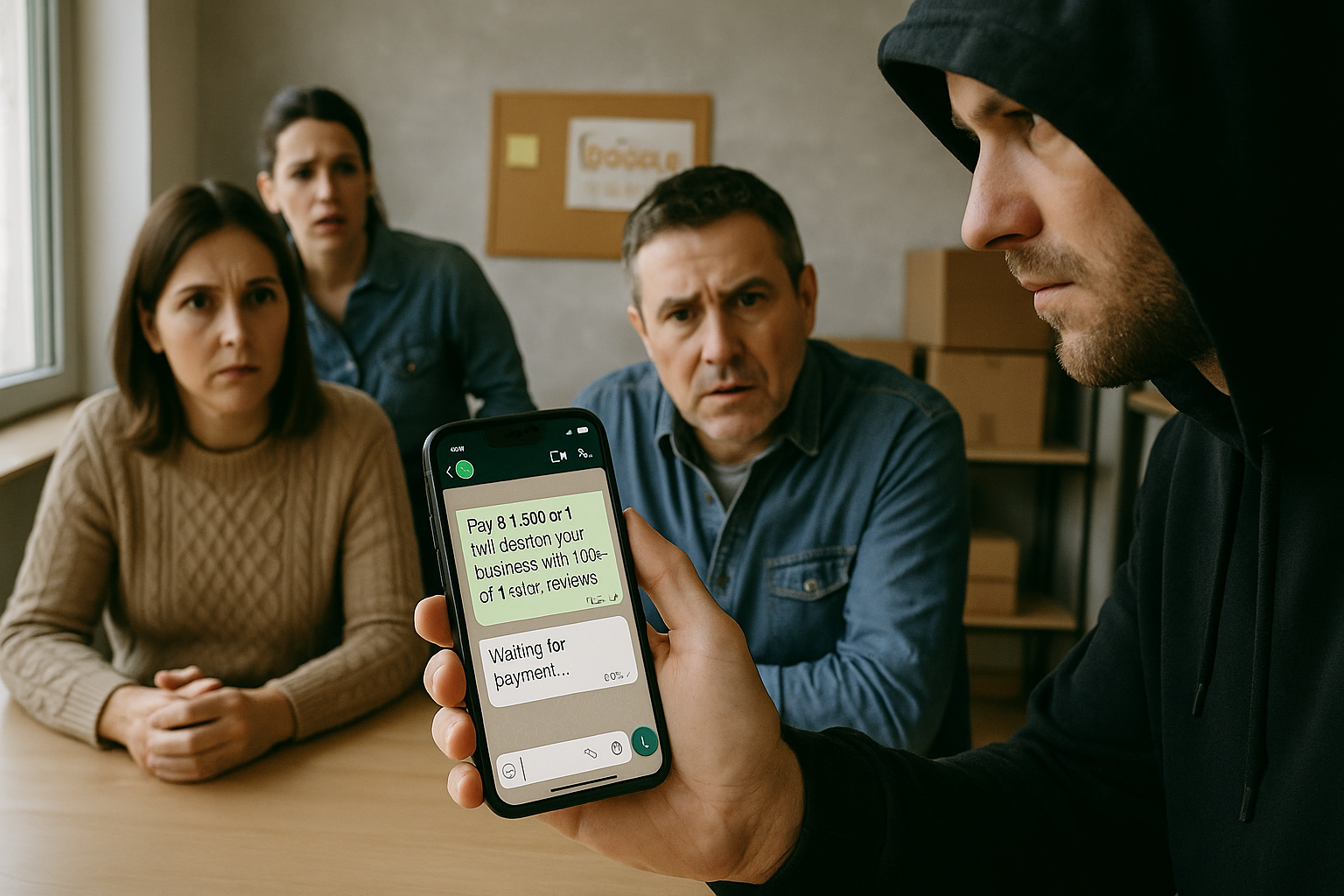
While Google SMB review extortion continues to grow it isn't, as the NY Times claims, a new threat. But why is it increasing now and how can you combat it?
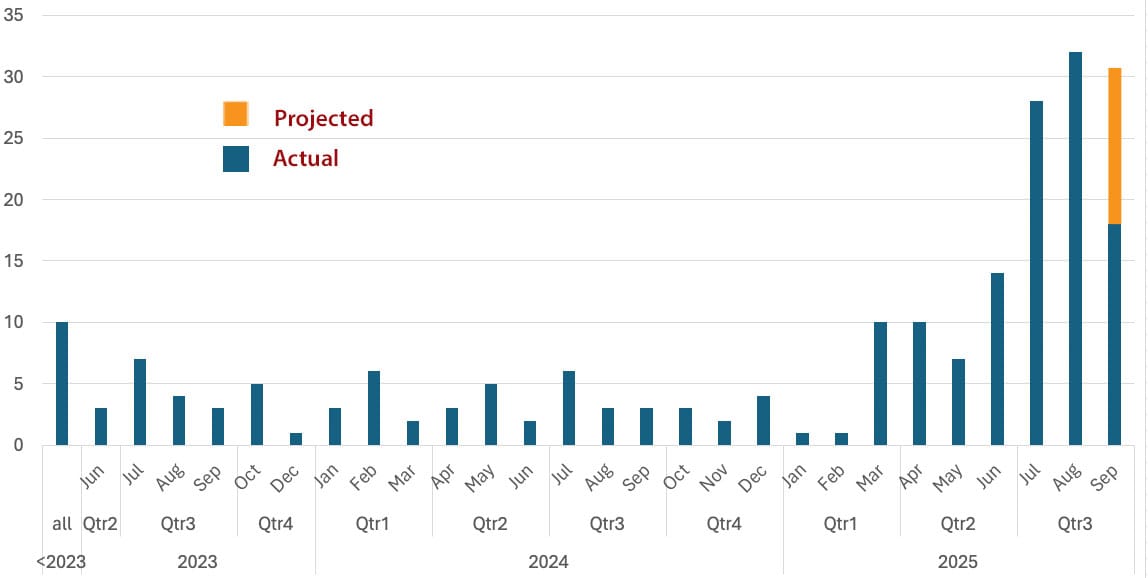
As the chart shows, there has been a steady drumbeat of review extortion threats in the Google Business Profile forum for the past two and a half years. A very small percentage of small businesses make it to the forum so this accounting tends to underreport the incidence of extortion.
The steep increases provide directionally strong evidence of a growing and more widespread problem since early March of this year.
How the Scam Works
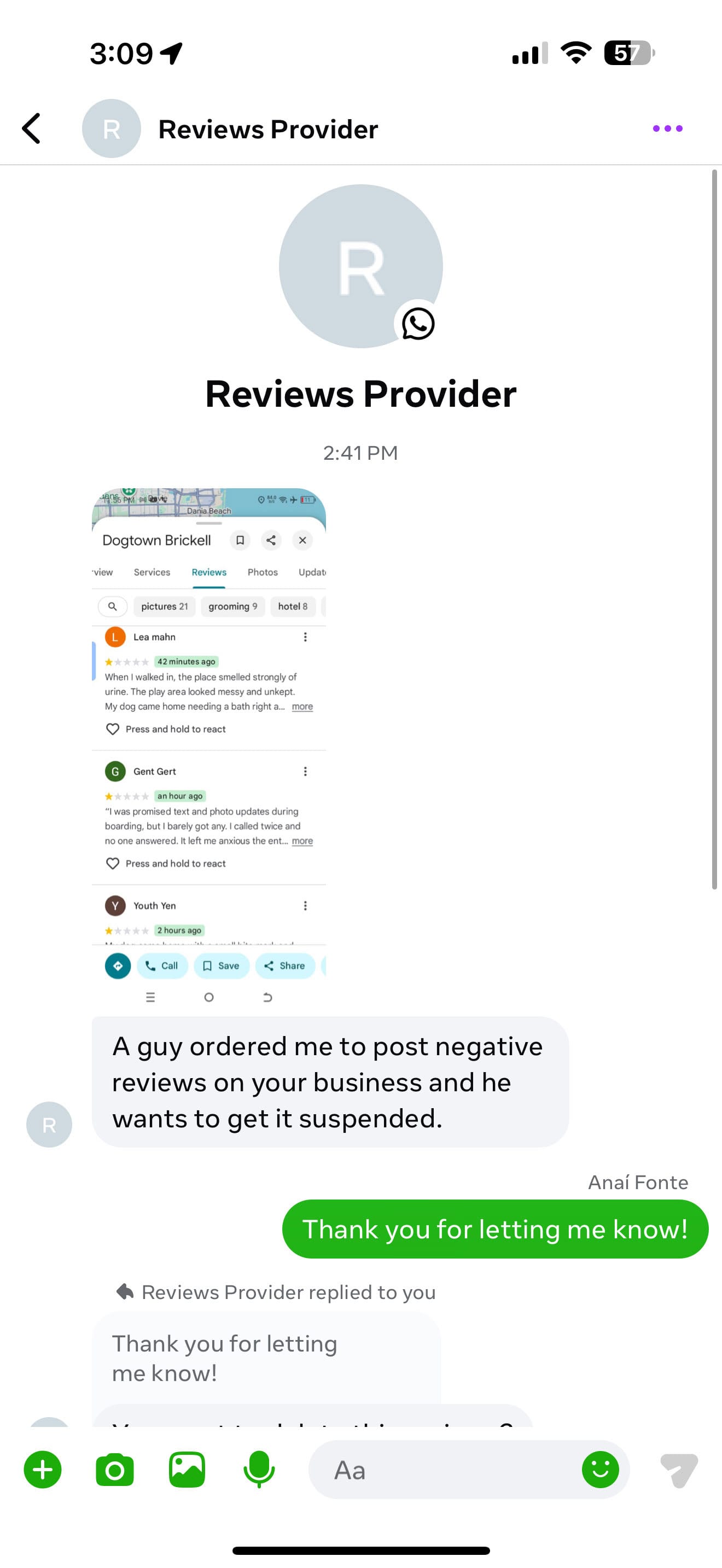
Scammers, often from India or Pakistan, reach out to a US business via WhatsApp and suggest that they have been hired by a competitor to leave fake negative reviews. They offer the targeted business the opportunity to avoid this if they pay a fee, usually several hundred dollars. If the business refuses, the negative reviews start to flow.
But Why Now?
In 2024, Google deprecated their GBP specific messaging app and started rolling out WhatsApp and SMS as a replacement around the world. In late January 2025, Google allowed US businesses to add these messaging platforms to their GBP profiles.
During 2023 and 2024, the Google messaging app saw a low, ongoing level of review extortion threats. But after WhatsApp was added there was a significant uptick. The addition of WhatsApp to GBP profiles created a situation that made it easier, cheaper and quicker for worldwide scammers to contact US businesses – and they did.
What to Do if It Happens to You
If you have 10 or more reviews, you should head directly to the GBP forums and ask for help in escalating the situation. You should include a public Google Sheet with links to the bogus reviews as well as your GBP profile and any proof of the extortion. Silver-level Google Product Experts (PE) and above can escalate cases with 10 or more reviews directly without a case number.
If you have fewer than 10 reviews, you have to do the convoluted Google multi-step process to get them removed:
- Report the reviews via Maps
- Report via GBP tool if the Maps report doesn't get them removed
- Appeal via GBP if they are still there after 5 days
- Escalate to Forum with the necessary information
- A PE can then escalate to Google for additional review via a special form
- And if all of that fails, the PE has access to a community level escalation to a private forum for additional review.
How to Reduce Your Exposure
The best way to prevent this type of review extortion from happening is to remove WhatsApp from your Google Business Profile. Adding SMS or lead management tools like Leadferno might lower the risk of the occurrence because of the costs associated with using SMS internationally. But it won't entirely eliminate the threat.
What Could Google Do?
Google has long been aware of the review extortion scam with their own messaging product, yet did nothing to address it. It is very likely they anticipated an increase in these scams by adding WhatsApp to the mix. And yet they have not taken any action to address or limit the impact.
In the NY Times article, Google noted that they would be releasing a special reporting form to handle these situations, but that's still MIA.
Google has long chosen ease-of-use over security with their SMB tools. Their introduction of WhatsApp is no exception. While their early-release philosophy gets products out in the real world quickly, it often causes real-world harms. When a small business's ratings plummet that's definitely the case.
Google just sees these occurrences as the externalized cost of their efficiency. I once asked a Google Places product lead about the massive amount of locksmith spam; he said they were intentionally letting it through so that they could "inoculate" the system. We saw how well that went.
What could Google do to combat increased review extortion? They could do what they should have done from the beginning: anticipate the uptick and if they can't stop it, make it easier to identify and remove the fake reviews.
Business owners shouldn't have to wait for a NY Times article to get action. It should've happened from day one.
What the Video Instead
Rather watch the video?