
Way-Too-Early Thoughts on SearchGPT for Local Search
SearchGPT just rolled out to the general public. It's genuinely impressive.

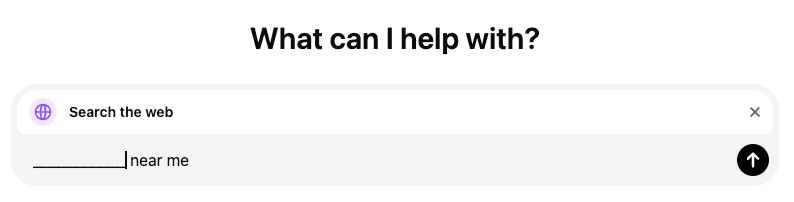
SearchGPT just rolled out to the general public this morning. It's genuinely impressive.
SearchGPT As Content Tool
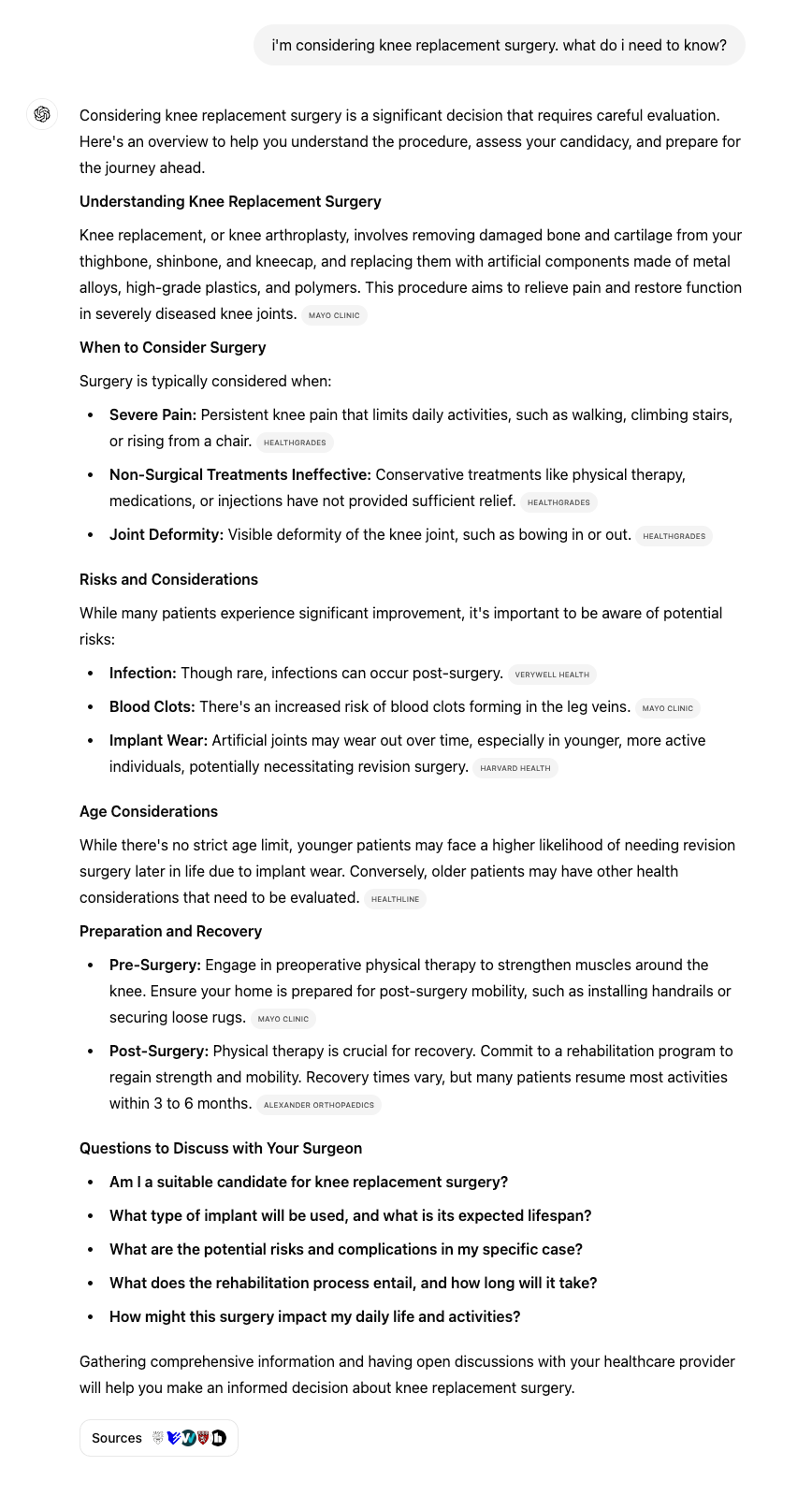
The first thing that struck me was that SearchGPT is better at generating a content outline than most, if not all, SEO products I've tried.
The product took my simplistic, Google-style single keyword searches and extrapolated loads of useful associated content that anticipated follow-up questions I might want to ask.
Simple Answers/Inconsistent Interface
For explicit local searches, both the quality and simplicity of its answers stood in stark contrast to the typically-bloated, ad-dominated Google results – and certainly relative to Google's upcoming AI-organized pages, as we've discussed in multiple Near Memo podcast episodes.
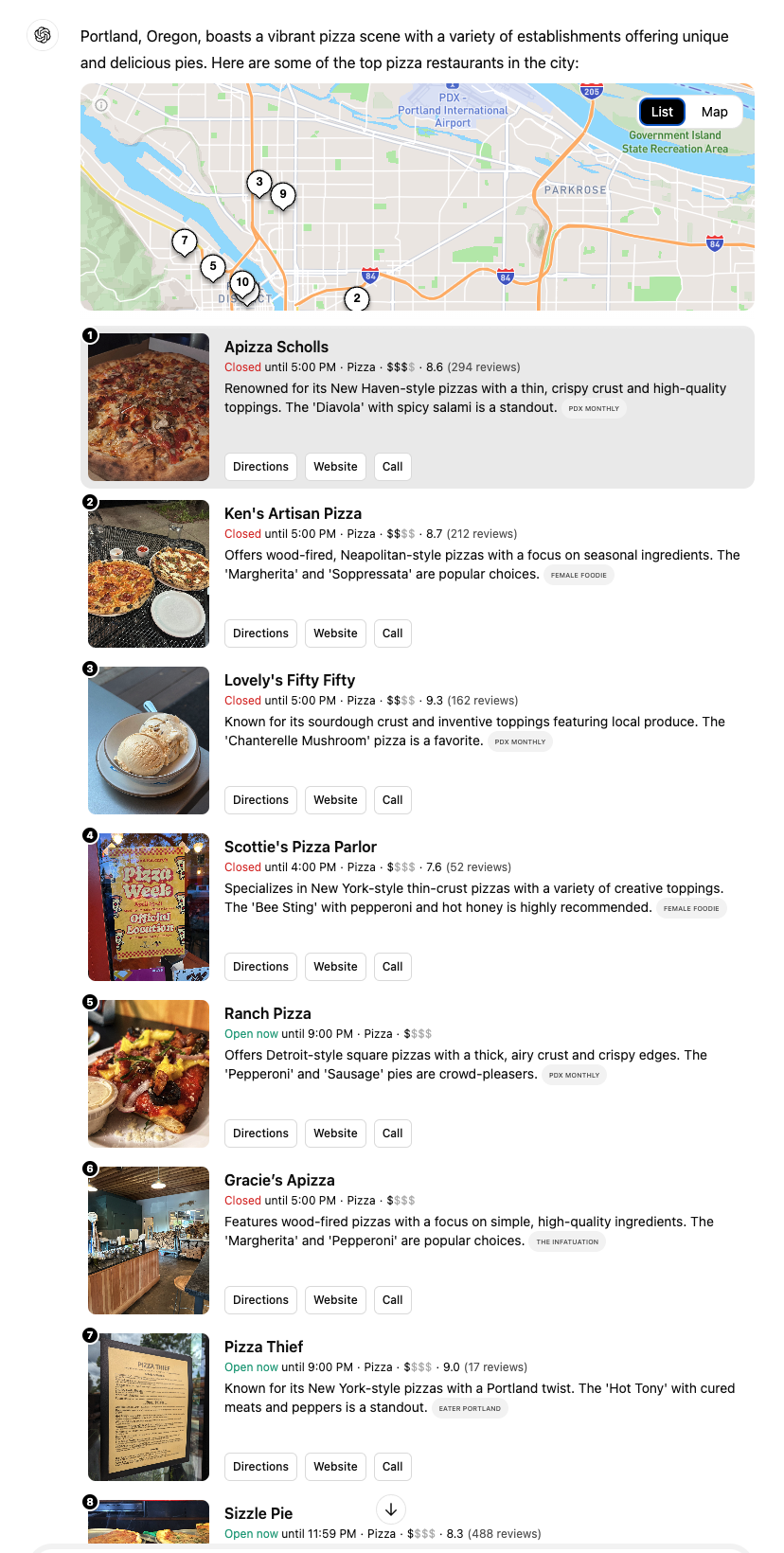
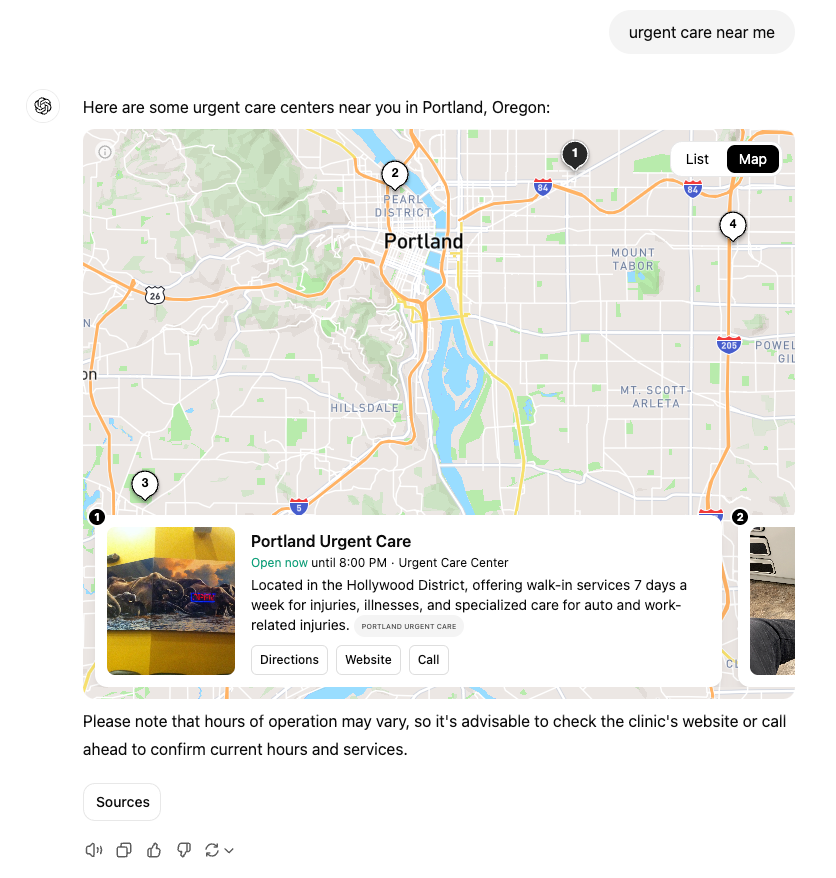
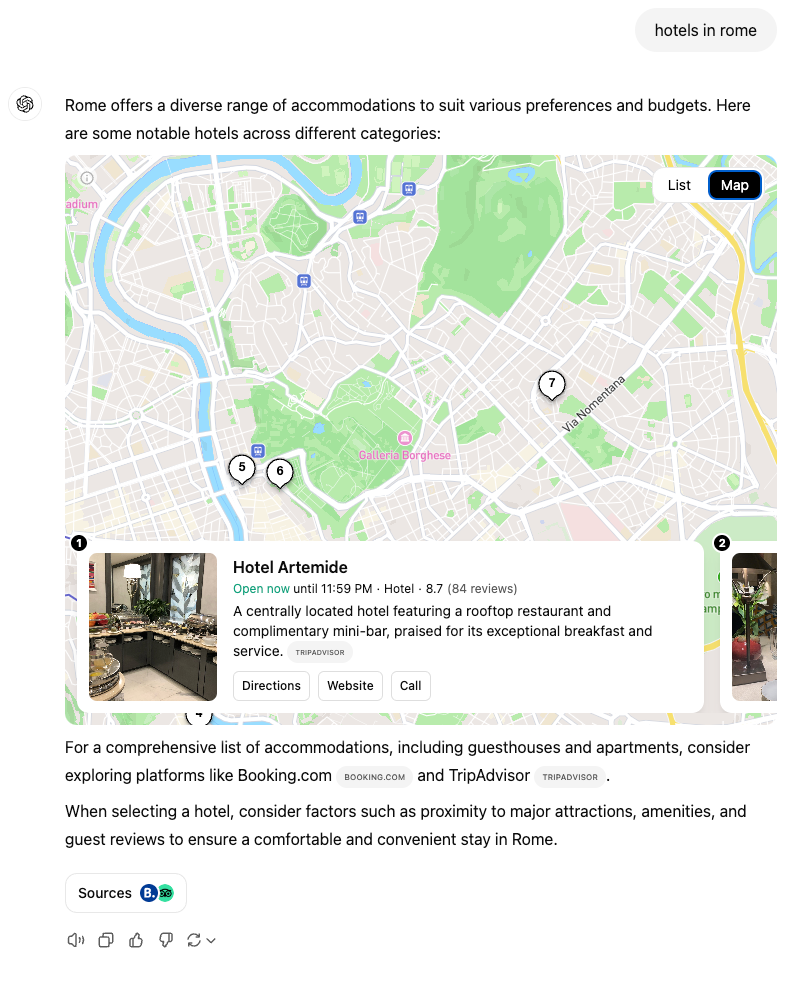
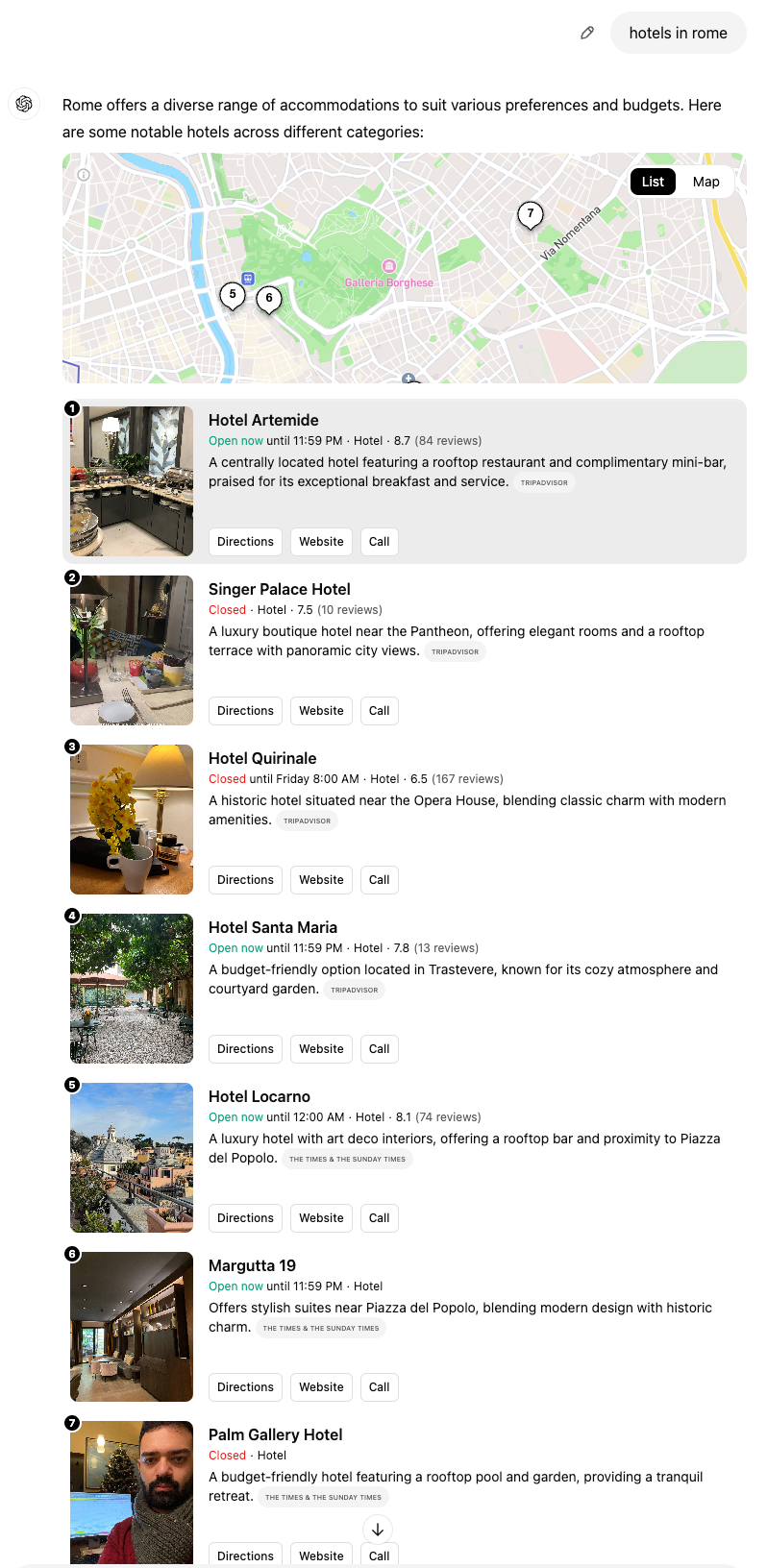
Strangely, sometimes SearchGPT will return a map/list interface as shown above, and other times the UI is something closer to a localized web-based result as shown below, which bizarrely links to Google Maps URLs.
Ability to Hold Context Query to Query
SearchGPT’s ability to refine queries is another standout feature. It naturally retained the context of previous questions, meaning I didn't need to rephrase or restate details in follow-up searches.
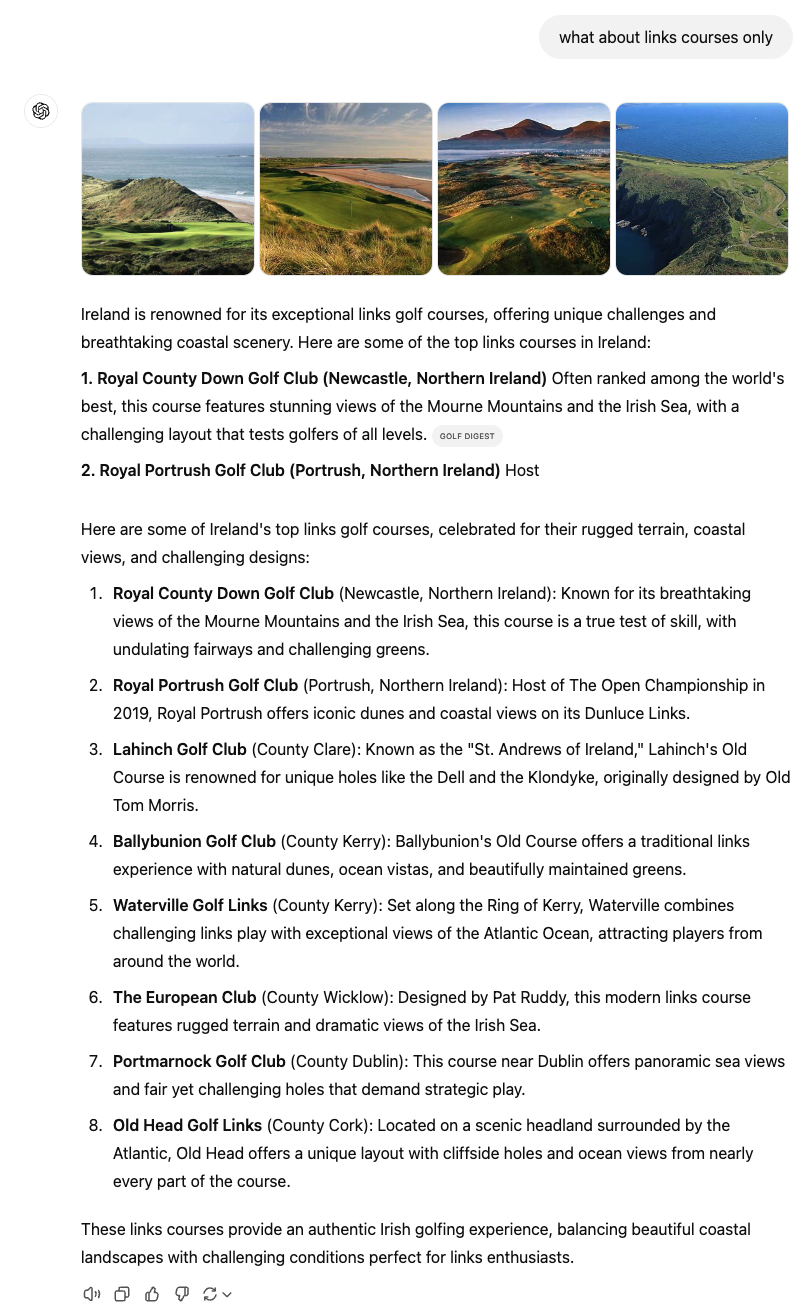
Not only did it basically get the list of Ireland's top golf courses correct (though I'd definitely also include Rosapenna and Narin & Portnoo), but it knew that Adare Manor wasn't a links course and removed it from the list with a very conversational follow-up.
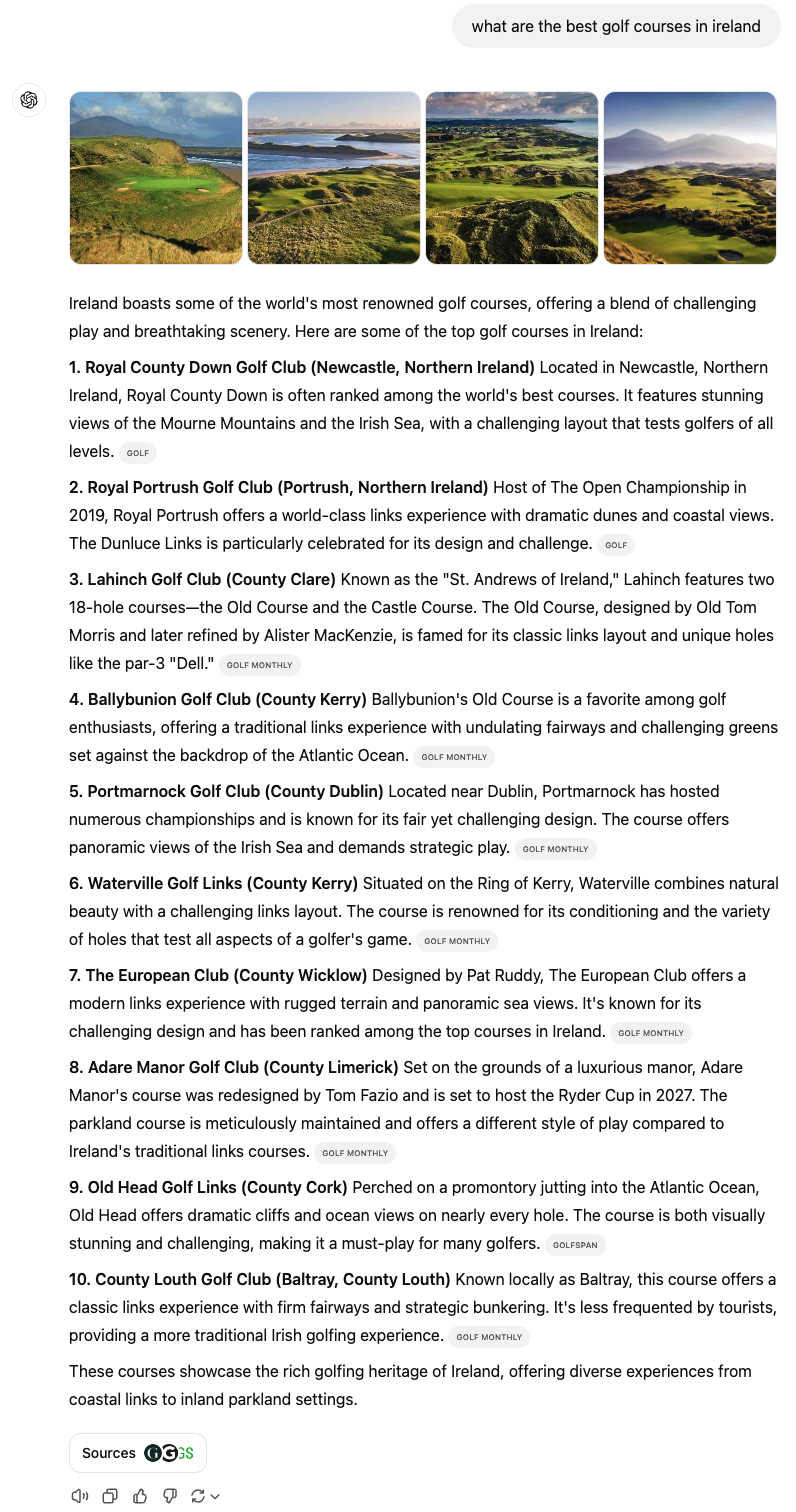
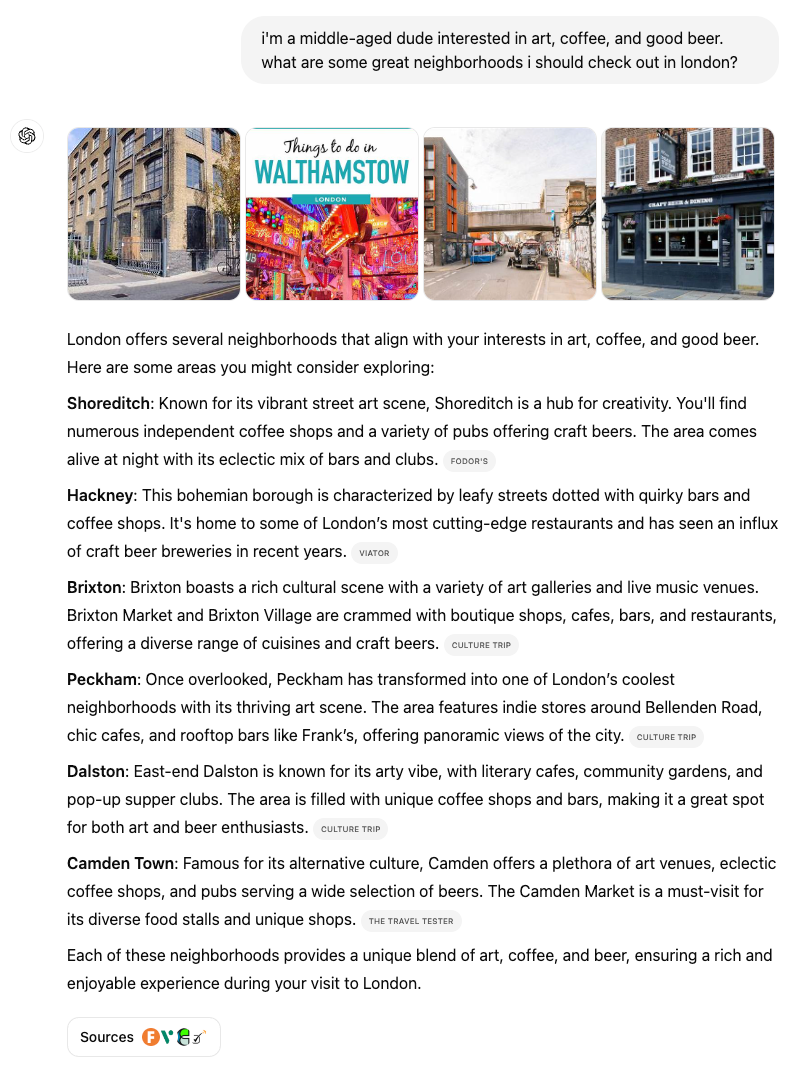
It did just as well with more exploratory, open-ended local searches (e.g., discovering points of interest rather than looking for specific businesses). And it personalized them based on how I described myself.
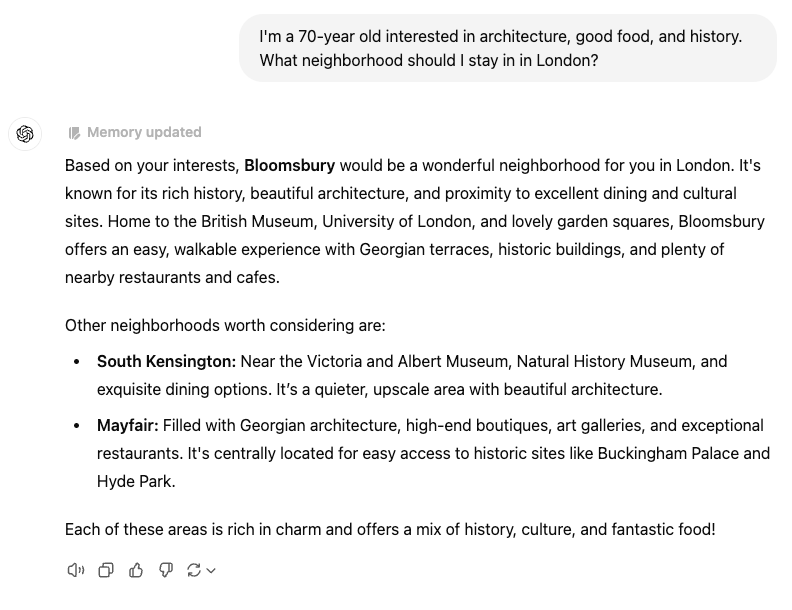
Below is another example of the ability to hold context without having to repeat myself, not to mention the quality of results.
Interestingly, planning a travel itinerary is the highlighted use case in OpenAI's announcement post, so perhaps the product team spent a lot of time evaluating performance for these kinds of searches.


Local Intent as Remembered Context
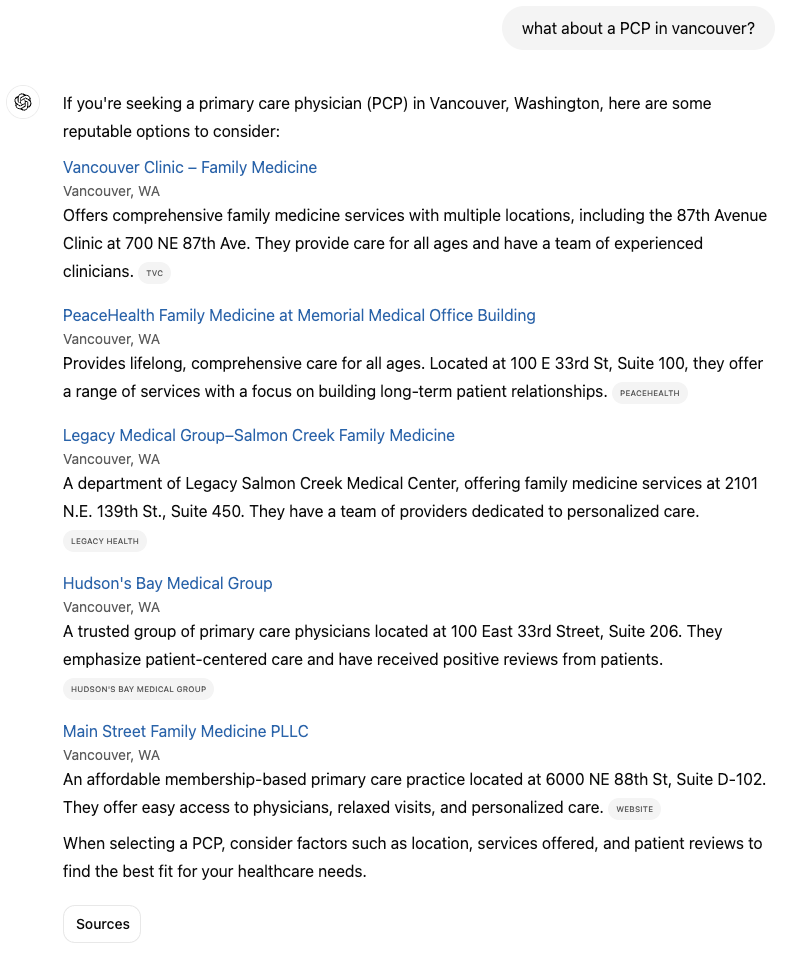
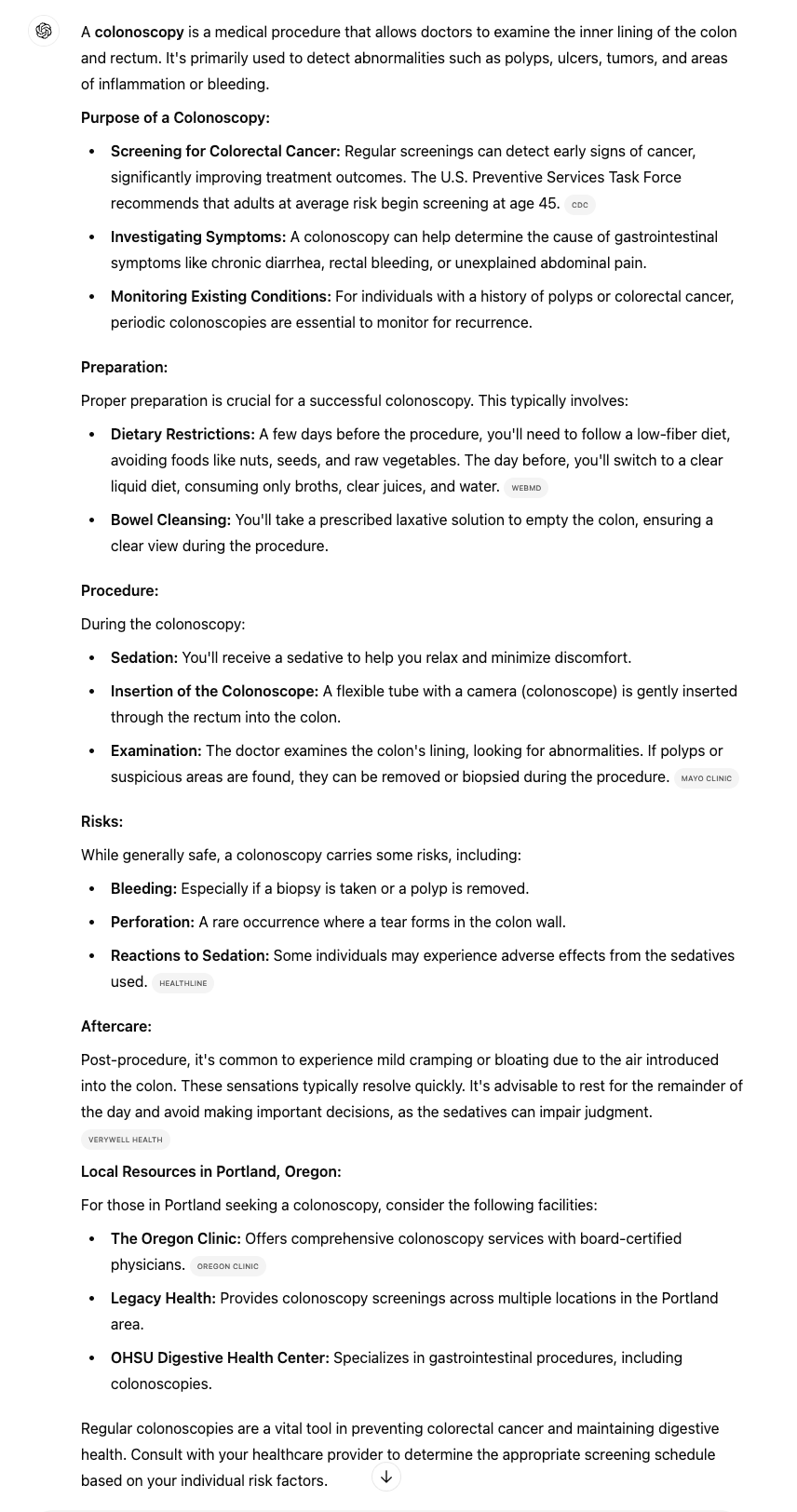
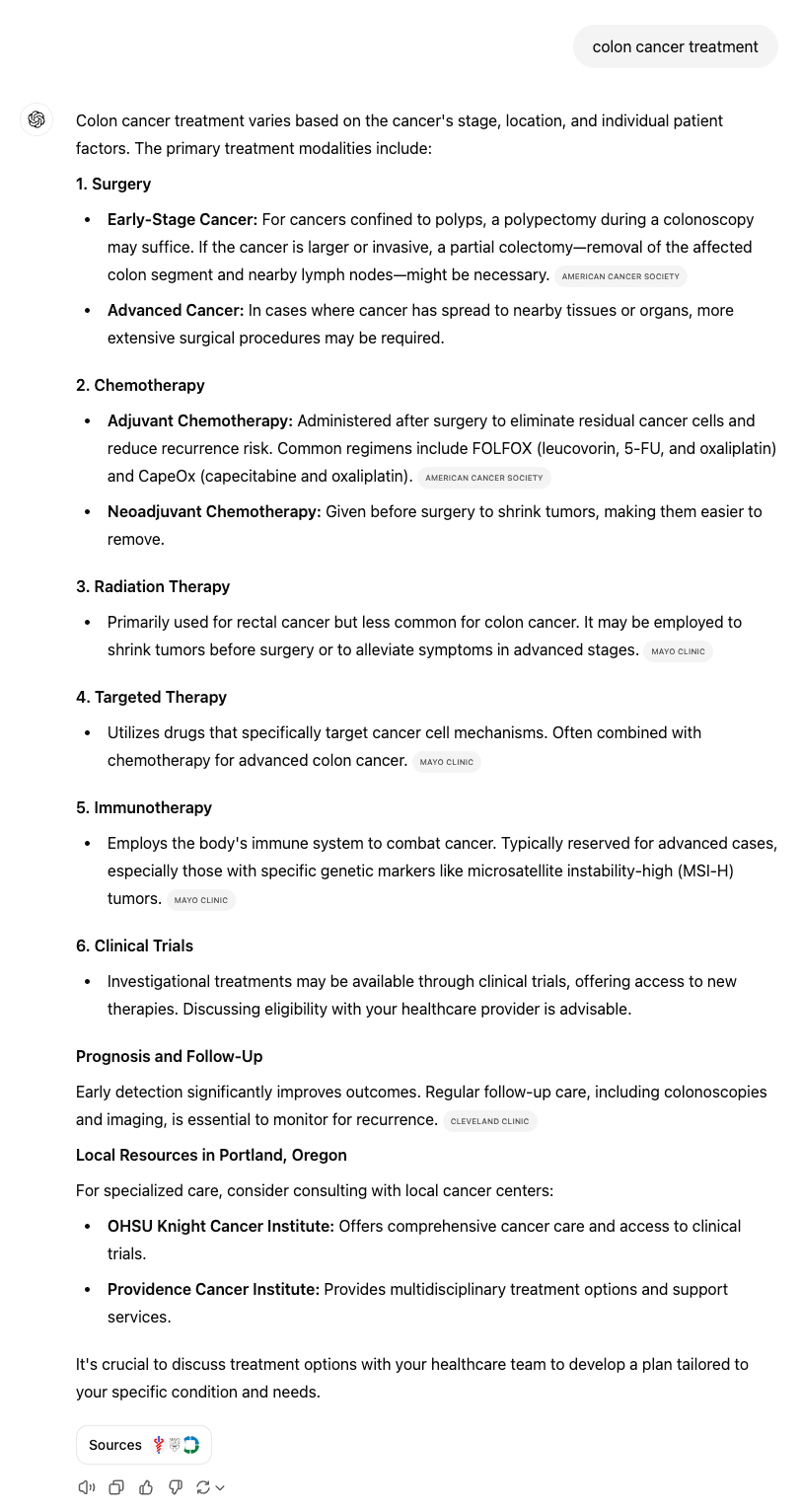
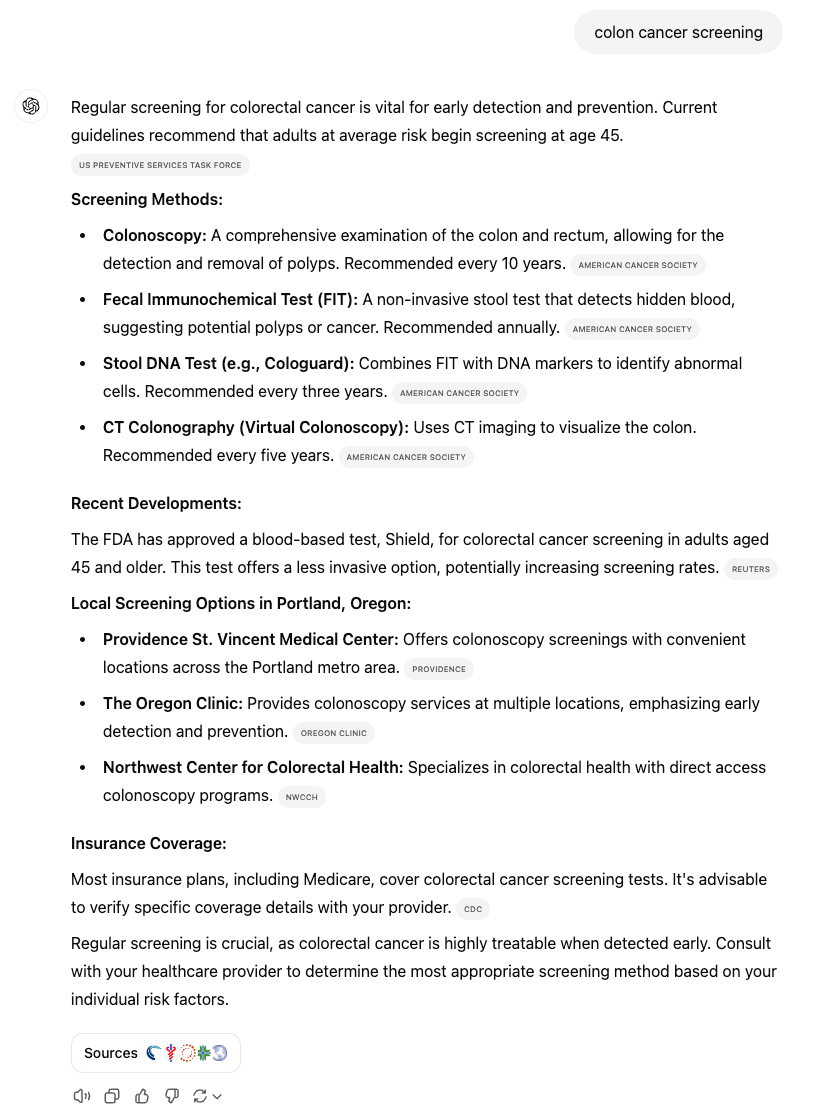
After I performed an "urgent care near me" search, in a series of health-related informational searches, SearchGPT returned localized resources within the same chat.
Interestingly, it did NOT localize the same queries if they were the start of a fresh chat.
Kissing Up to the Reviewer? 😂
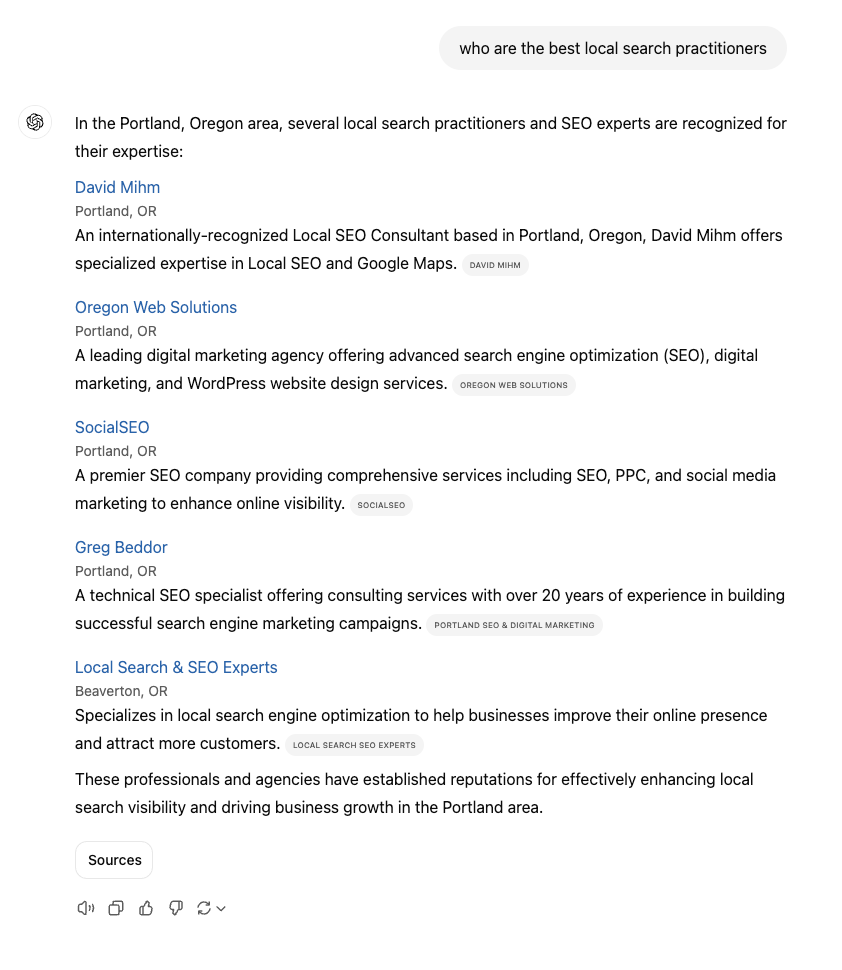
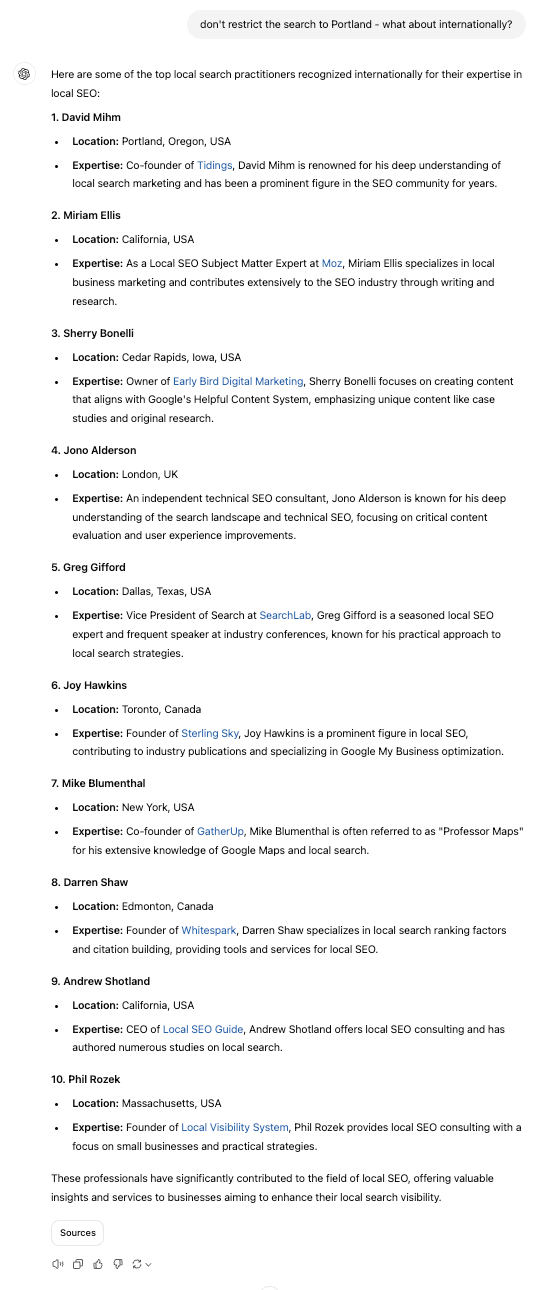
Initially, I performed these searches using our Near Media company account in which my colleague Mike Blumenthal has conducted hundreds of searches.
As Uberall's Krystal Taing highlighted on LinkedIn, Mike's search history seems to have a substantial influence on which results are returned.
Searches in our company account:
Searches in a "fresh" personal account:
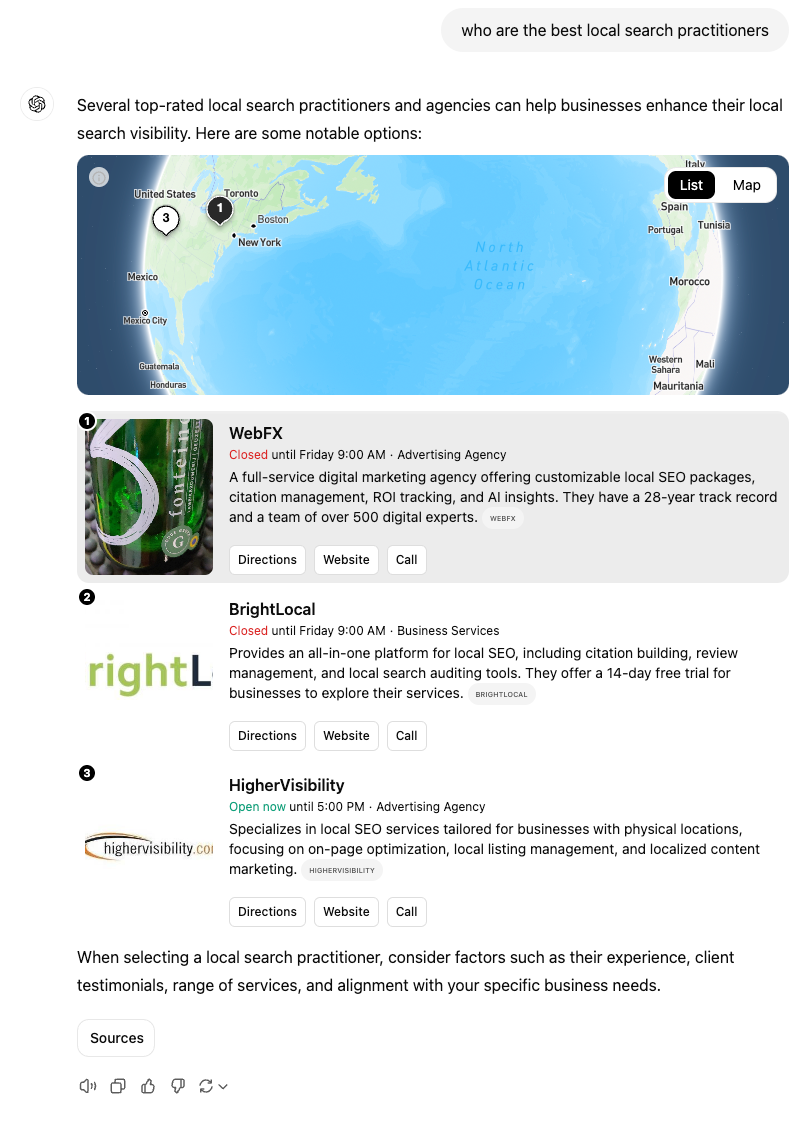
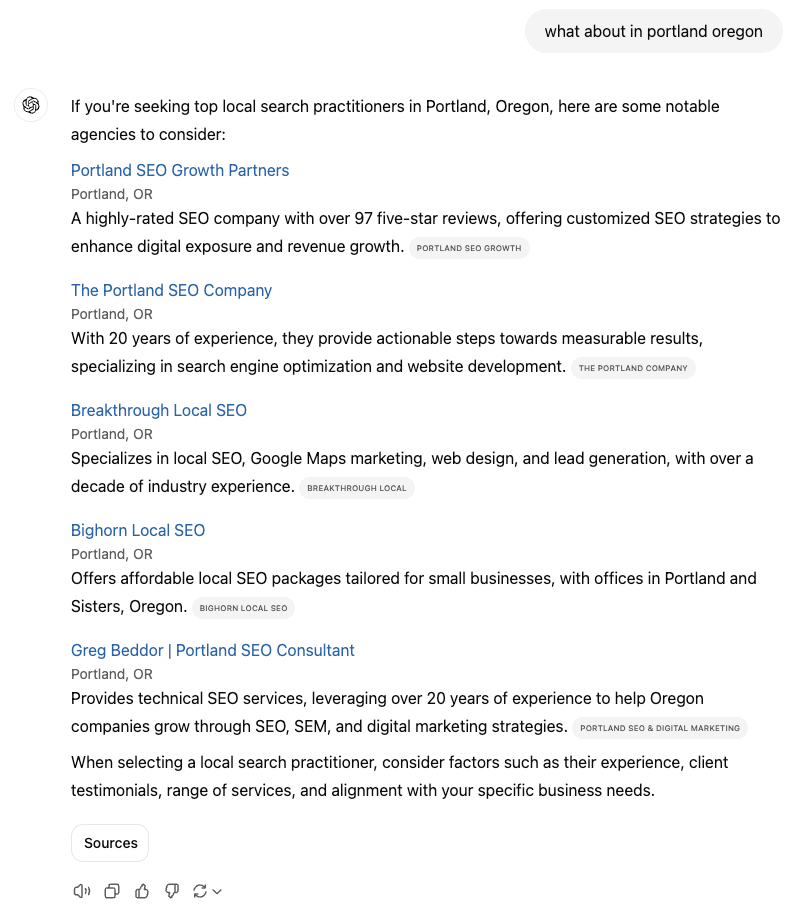
Deep personalization has long been an area of opportunity for Google, given the vast amount of Chrome browsing data and search feature click data they accumulate, but they've seemed reticent to leverage it to its full extent.
SearchGPT seems to be leaning in to personalization heavily right out of the gate – and based solely on the results above, to positive effect.
Implications for Search Practitioners
Given the massive influence of query context and personalization on the handful of initial searches I tried, it seems like it's going to be exceedingly difficult to track visibility/rankings in SearchGPT results in any meaningful way at scale.
Hope for Hotel Suppliers
The SearchGPT hotel search UI may serve as an interesting reference as EU regulators consider Google's compliance with the Digital Markets Act's provision against self-preferencing.
One of the most striking findings from our recent study of user hotel search behavior was the near-total dependence hoteliers have on the Google Hotel Finder for traffic.
Aggregator Ads absolutely dominated consumer engagement, earning the majority of all mobile clicks. And most user engagements with the Hotel Finder stayed on Google, with Aggregators receiving as many clicks as the canonical hotel website even from that hotel's Google Business Profile.
In the SearchGPT hotel search interface, however, not only are there no ads at all, but SearchGPT's "business profiles" are too spartan for "zero-click" engagement to be useful.
Instead, they feature a single (presumably unpaid) aggregator or publisher link, and clear Website and Call buttons which point directly to each hotel property. (The Directions button takes users to Google Maps, at least for now!)
We suspect hoteliers and non-Booking aggregators will all receive more organic search traffic if SearchGPT begins to eat into Google's market share.
Less for Publishers to Fear vs. Google's AI Overviews?
In the current iteration, OpenAI provides plenty of opportunities for outbound clicks, though in general the product does such a good job answering questions, I'm not sure how many users will click them.
I'd say publishers are just as much at risk from SearchGPT as from AI Overviews. But for most B2B and B2C companies, I see it more as a jumping-off point for mid-funnel queries – almost like an "expert reviewer" – than as something that will necessarily steal traffic from companies trying to attract customers as opposed to eyeballs.
I Don't Say this Lightly: SearchGPT Is the First Product I've Seen that Actually Might Be a 'Google-Killer.'
Not only is the product vision of a clean, comprehensive search experience a radical departure from the current Google search paradigm, the execution in terms of result quality is far better than I've seen from OpenAI previously.
Changing consumer habits is always hard, but if half the population is already using ChatGPT weekly, SearchGPT is the first product I've seen that could actually draw meaningful market share away from Google.

And with OpenAI's aggressive Chrome Extension rollout, they might draw that market share away faster than I'd previously thought possible.