
EP 259 - What Does I/O Mean for Marketers with Cindy Krum, Gregg Gifford & Krystal Tang - Part 1
Google I/O has confirmed a massive shift away from outbound website links toward a closed-loop, transaction-driven AI ecosystem. Learn how features like Ask Maps and custom AI agents will impact your brand's search visibility.


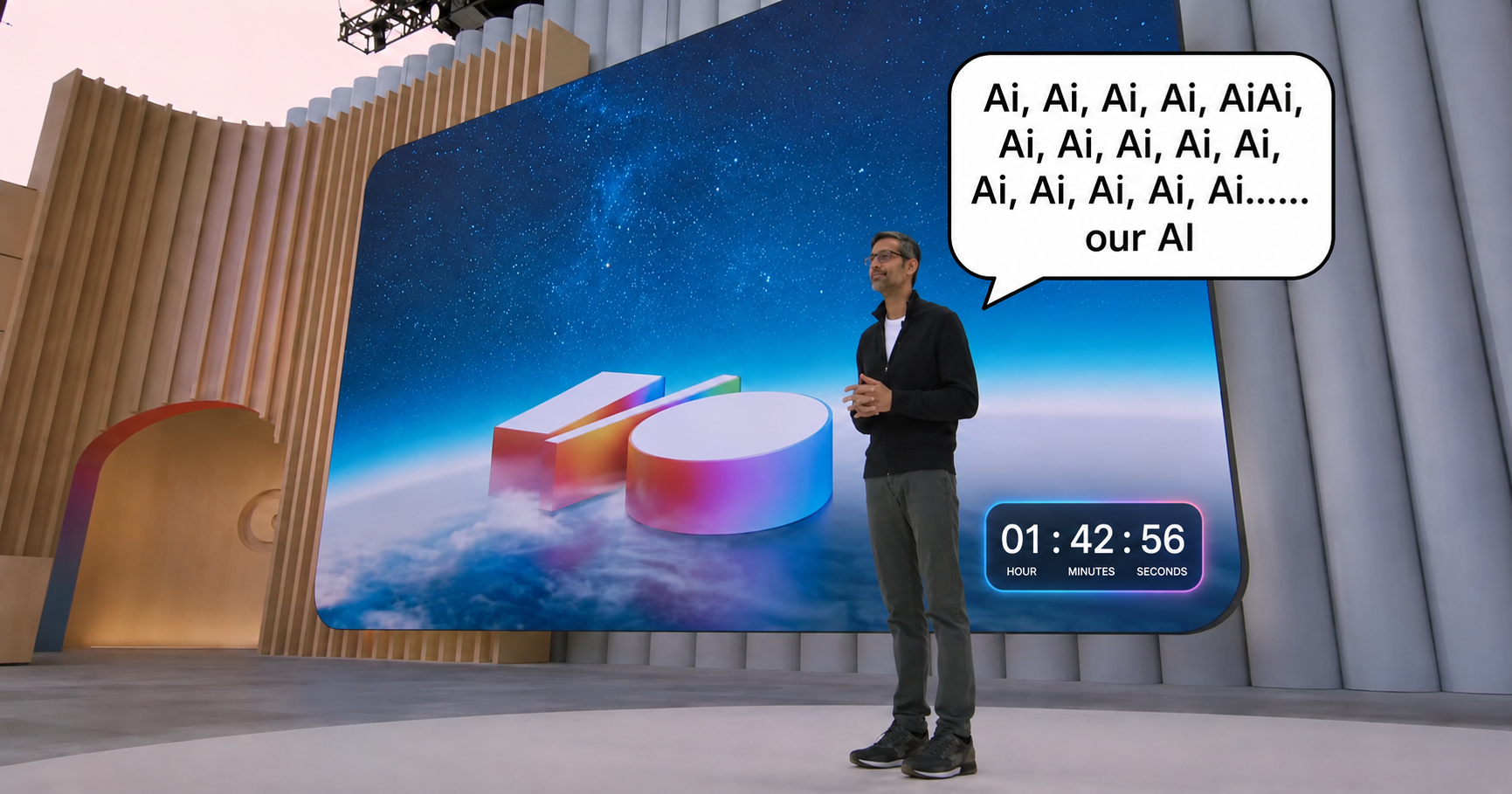
The traditional concept of optimizing websites to earn user clicks is being fundamentally disrupted by Google’s native, infrastructure-backed AI capabilities. As detailed in this expert panel breakdown, Google is re-engineering its entire interface to process long, complex natural language queries and handle transactions directly within its own ecosystem. By combining personal data integrations with its massive proprietary database of hyper-local information, Google is building an ecosystem where user needs are predicted and fulfilled without requiring them to visit a third-party website. For digital marketers and enterprise brands, surviving this landscape means adjusting your strategies to focus on building broad web consensus, expanding your presence across multiple digital channels, and adapting to a world where search visibility is driven by algorithmic recommendations rather than traditional keyword matches.
The Podcast Deets
Segment 1: The Core Infrastructure Shift & The Closed-Loop SERP (00:00 – 10:13)
The panel explores the fundamental architecture updates coming out of Google I/O. Rather than simply upgrading search components, Google is leaning heavily into its custom TPU hardware to drop AI processing costs while introducing interactive, ad-supported formats right inside conversational interfaces. This structural shift lays the groundwork for a zero-click ecosystem designed to answer queries, suggest solutions, and complete customer transactions entirely within Google’s native apps. This poses clear structural challenges for traditional content publishers and e-commerce websites that have long relied on standard outbound organic traffic.
Segment 2: Deep Dive on Predictive Personalization & Spark Agents
( 10:14 – 20:52)
This segment breaks down the launch of the Universal Commerce Protocol (UCP) alongside Google’s personal intelligence data layer. By integrating user history across Gmail, YouTube, photos, and calendar data, Google can deliver deeply personalized recommendations based on past purchases and real-world behavior. The panelists also analyze the strategic role of custom Spark agents, arguing that these new tools serve a secondary purpose: crowdsourcing user interactions to help train and refine Google's underlying AI models.
Segment 3: Ask Maps and Google’s Hyper-Local Defensive Moat (20:52– 35:31)
The conversation shifts to a deep-dive evaluation of Ask Maps—Google’s conversational interface built directly over its local mapping platform. The panel outlines how this update changes search from a simple navigational directory into a powerful discovery engine capable of answering complex, multi-variable geographic requests. The group emphasizes that this massive, human-verified database of physical locations serves as Google's ultimate defensive moat against standalone LLMs. However, the segment also highlights an ongoing challenge for the platform: the persistent difficulty of tracking accurate, real-time product inventory for both small businesses and major retailers.
Key Takeaways
- Transactions Over Clicks: Google’s strategic goals have clearly shifted from simply providing helpful information to executing actions natively within its own ecosystem, turning the SERP into a self-contained transactional platform.
- The Power of Proprietary Local Data: While general text models can easily commoditize standard web content, Google's deep, real-world database of mapping and local business insights remains a core competitive advantage that competing LLMs cannot easily replicate.
- The Shift to Web Consensus: As personalized AI overviews and conversational interfaces take center stage, relying solely on your own website content is no longer enough; brands must build broad consensus across third-party reviews, directories, and cross-platform channels to ensure AI systems trust and recommend their business.
👇 Watch by topic:
00:00 - Introductions: The Structural Pivot at Google I/O
03:47 - From Answers to Action: Monetizing the New Closed-Loop SERP
10:13 - Universal Commerce: Clawing Back Shopping Traffic from Amazon
14:26 - Personal Intelligence & Highly Personalized Search Buckets
17:57 - Google Spark Agents: Training the Core LLM Models
20:52 - Deep Dive: Ask Maps and the New Local Discovery Engine
27:13 - Google's Defensive Moat: Hyper-Local Data vs. ChatGPT
30:37 - The Local Inventory Gap and the Ghost of Pointy
35:18 - Final Thoughts: Preparing for the Next Era of Digital Marketing
Related Links
 Founder
 Greg Gifford
 Connect on LinkedIn
Interested in sponsoring this podcast or our newsletters please reach out to mblumenthal@nearmedia.co