
EP 251 - Google Lied About Click Data — Here’s What Actually Drives Rankings in 2026 with Cyrus Shepard
Google said clicks didn’t matter. The antitrust trial, API leaks, and real-world testing say otherwise. In this episode, Cyrus Shepherd (Zyppy) joins Near Memo to break down how Google actually uses click data — including “last longest click” — and what that means in a world of AI Overviews.


Sign up for our new Legal Marketing Newsletter. Once a month, no fluff, just good ideas.
The Podcast Deets
1. The Truth About Click Data & Ranking Signals (00:00–13:30)
The episode opens with a deep dive into Google’s long-denied use of click data, now confirmed through court documents and leaks. Cyrus explains key concepts like long clicks and “last longest click”, showing how Google measures satisfaction. The discussion ties this to local SEO, where conversions, engagement, and actions (calls, directions) mirror these signals.
2. AI Overviews, Brand & The Future of SEO (13:30–End)
The second half explores how AI Overviews are reshaping search behavior. While reducing clicks for publishers, they increase reliance on predicted engagement and brand signals. The group discusses how AI drives brand discovery and follow-up searches, and Cyrus outlines tactical strategies for earning clicks, improving engagement, and optimizing for task completion instead of traffic.
Key Takeaways
- Google uses click data heavily—especially “last longest click” as a proxy for satisfaction
- Task completion > traffic is the new SEO north star
- AI Overviews reduce clicks but increase brand importance
- Brand searches are a critical ranking signal (and a proxy for AIO visibility)
- Bad clicks hurt rankings—misleading titles backfire
- Engagement metrics (time, interaction) correlate with rankings
- Own the full user journey—don’t send users to third-party platforms
- Optimize for what happens after the click, not just the click itself
👇 Watch by topic:
00:00 Introduction & Cyrus Shepherd joins
01:15 The click data controversy explained
04:20 Clicks, long clicks & “last longest click”
07:30 Local SEO, conversions & task completion
11:00 Brand search as a ranking signal
13:30 AI Overviews: impact on clicks & traffic
16:30 How Google predicts clicks with less data
19:00 AI Overviews + brand search behavior
22:45 How to earn better clicks (titles, UX, engagement)
25:00 Engagement metrics & GA4 insights
26:30 Bad UX, popups & failed task completion
27:30 Final thoughts & where to follow Cyrus
Interested in sponsoring this podcast or our newsletters please reach out to mblumenthal@nearmedia.co
Related Links
 Cyrus Shepard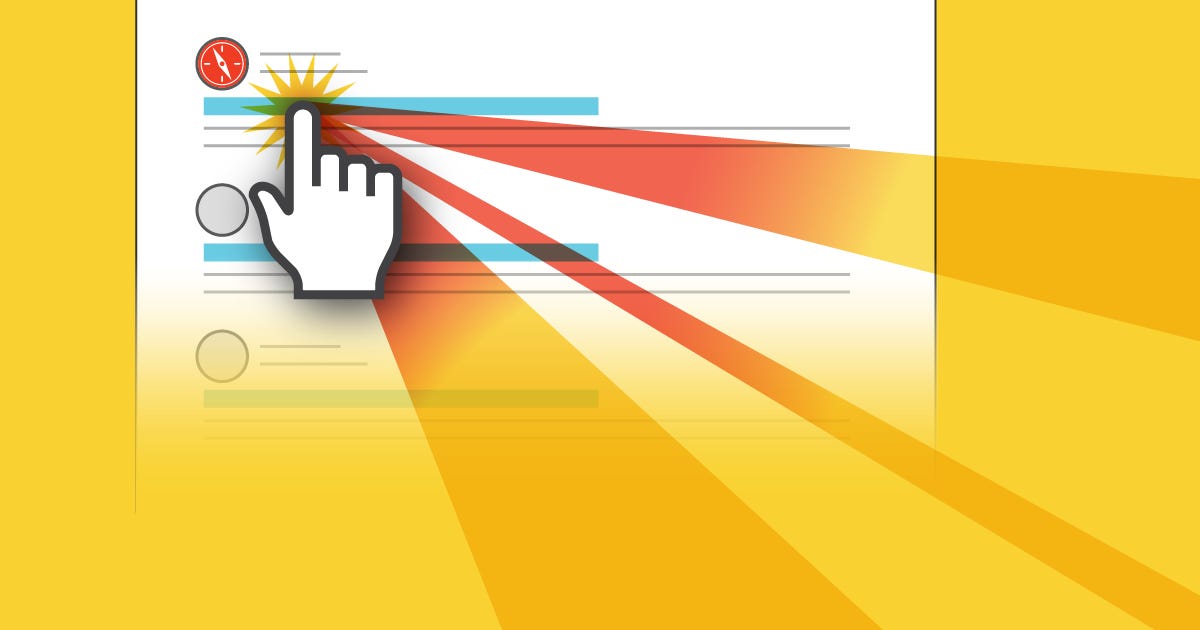
 Cyrus Shepard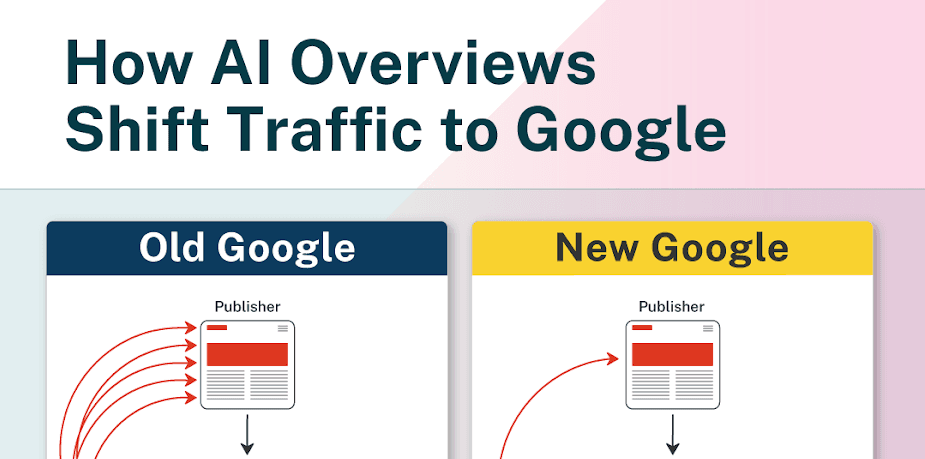
 Cyrus S.

Full Transcript of the Near Memo EP 251
David Mihm (00:10): Hey everyone, welcome to another episode of the Near Memo. You might recognize that this is not Greg Sterling speaking. This is David Mihm one of the other co-founders of Near Media. And I am a relatively infrequent guest on the podcast these days. So I'm not sure what episode number this is, but I'm here. 251, thank you, Mike. So we're one past the nation's birth years, apparently. So I don't know what that says for the state of the podcast, but anyway.
Mike Blumenthal (00:26): 251.
David Mihm (00:38): We are here with very special guest today, Cyrus Shepherd of Zyppy, a fellow Oregonian with myself. And we're really excited to have Cyrus on today to talk about a topic near and dear to our hearts at Near Media as a company that does a lot of user testing of Google. We are here to talk about click data, user click patterns, how Google uses that data and the impact that AI overviews might have on this whole ecosystem. So Cyrus, welcome to the show. as we get started, maybe you can just kind of summarize for our listeners and our watchers kind of what the thrust of your article that you just published was.
Cyrus Shepard (01:17): Yeah, thank you, David. I'm happy to be back on the 251st episode. I feel like this is the SEO equivalent of the old radio show Car Talk. Do remember that? Yeah. Where you could just veterans talking about SEO, but always happy to be here. So the thrust of my article.
David Mihm (01:28): Absolutely. Yes. If we if we last as long as Click and Clack, I will. That will be a real feather in Near Media's cap. So.
Mike Blumenthal (01:37): Although hopefully I don't go out with dementia, as one of those poor souls did.
Cyrus Shepard (01:41): No, no, no, As say we all. So to get into it, the thrust of the article, and I'll go into a little bit of history here. I don't want to get too long winded, was that for years, people in this space, in the SEO space, highly suspected that Google was using user click data in its ranking algorithms. They always denied it, but there were experiments and patents, the great Late Bill Slawski would analyze patents where Google would analyze click data. And Google would always say, well, just because we patented something doesn't mean we're necessarily using it. Don't believe everything you read. And then the Google antitrust trial, which happened, I think, two years ago now, evidence started pouring out that, wow, not only are they using click data, It is one of their major ranking signals. is one of the top things that they are using to help analyze results. The other things being content and links, anchors as they call them.
Mike Blumenthal (02:35): So you're telling us that Google was gaslighting us, Cyrus?
Cyrus Shepard (02:38): Gaslighting is a very good word. And apparently, apparently, you know, in the court documents, it was, it was, discussed this. They're like, we don't talk about it. We have a policy. You may not, you may want to talk about clicks, but we do not talk about it. You may disagree with that policy, but we do not talk about it. gaslighting, some people call it lying, but these Google reps were in a very awkward position. So they, they couldn't tell us the truth because it was company policy. Uh, And then, so then we had a third thing, which was the Google API leak in which this data warehouse leak, someone leaked it online where we could see the API endpoints of, you know, how, what Google's using its algorithm. It didn't tell us how they were using, this data. So then we have the Google API leak, which didn't tell us how Google was using, you know, these endpoints, but we could see what data they were collecting. And interestingly, the endpoints they were collecting match perfectly what they talked about in court and also the Google patents. So we have this record of how Google might be using clicks, confirmation that they're using clicks, and data endpoints showing us exactly what they're collecting. So I wanted to write a post that ties all these pieces together to show how Google is likely tracking and using click behavior, watching what people click on, so that we can understand it better, cemented in our minds because there's so much data out there. There's so much noise. I just wanted to create, you know, bring these pieces together so people could understand them.
David Mihm (03:57): That's great. So yeah, absolutely. And I think one of the things that was really compelling about your posts in particular, for me anyway, as a sort of zero click reader, if you will, the graphics that you showed around sort of, you know, bad click, good click, last long click, or whatever the exact sort of attribute is called, the graphics are really impressive and just kind of showing the difference in kind of what those three things are.
Cyrus Shepard (03:58): if that makes sense.
Mike Blumenthal (04:13): you
David Mihm (04:22): Can you take us through a little bit more detail about what those three click types are that you identified in the API documentation, and then how those play into the positive or negative signals that your website is sending to the algorithm?
Cyrus Shepard (04:37): Yeah, absolutely. So the big idea is, which came out in the court case, is Google, with all its amazing technology, can only guess at what good content is. They have a pretty good idea, but they're not really sure. So they're relying on us to tell them. So when you see the 10 blue links or the top search results, that represents Google's best guess as to what they think should be ranking. And then they relentlessly watch what users are clicking on. to tell them, is this a good result? Is this a bad result? So those are clicks. And then they try to judge, these good clicks or bad clicks? And it was interesting to me because reading through all the Google patents time and time again, the number one metric they're looking at is dwell time. Time on site, you can call it different things. How long a user is staying on a certain result. And they can take that data and they can divide it. They can slice it by, you know, the query, you know, are you searching for something simple? Like how tall is Mount Everest? You're not going to spend a lot of time on that page, but if you're looking for, you know, stock analysis, you might be spending much more time on that page. They can slice that data by language, location, and weigh all those things against each other and start to understand what users are saying is the best result. And then you have something, probably the most important, endpoint, which Google calls last longest click. And that is a long click. The user spent a significant time interacting with the result and they didn't go back to the search result, meaning their search journey was satisfied. So maybe they searched for something else. Maybe they go on and spend some time on X or Facebook, but they don't go back to the search result and click on something else. Those last longest clicks appear to be the most important signal.
Mike Blumenthal (06:07): you
Cyrus Shepard (06:19): that you can send to Google. And those are the three main ones you're looking for. Clicks, long clicks, and last, longest clicks.
David Mihm (06:25): So in some sense that you might say that a last longest click is Google sort of stand in for a conversion on whatever the query was, right? So not necessarily that they ended up buying something, but that their query was satisfied by that last longest click.
Cyrus Shepard (06:36): Right. Their query was satisfied. I think about the way I think about it is task completion. I've completed whatever I set out to do. And when we're searching Google, people like us, power users, we might have 1,000 tasks a day or 100 tasks a day that we're just trying to get through before we start new results. And those are very important, apparently, to Google.
David Mihm (06:45): Mm-hmm. Yeah. Yeah. Yeah. So I want to take this back to local briefly, since that's kind of the main sort of focus of near media. And then we'll kind of go back to some of the other points that you made in the article, which I think have impact not just on businesses who are trying to rank for local queries, but all businesses. So but as it relates to local, I mean, I think and sort of the reason I was curious to get your take on a sort of query satisfaction is we've hypothesized for a long time in local that the number of actions that users take on Google business profiles, in addition to the engagement that those profiles get, right? Which you can take that sort of a stand in for the amount of time that people spend on a website, amount of times people spend on a Google business profile, scrolling photos, reading reviews, reading services, that sort of thing. That's probably a pretty much of a sort of one-to-one comparison. the thing that Google has with GBPs, especially on phones, is they can also track actions, right? They can track clicks to call, which Google reports on in GBP data, clicks for driving directions, and potentially for Android users, I suppose, even if they don't click to call, they can probably track the number that they're calling to see what kind of which business they're checking in on. So I think to us, and in local anyway, it absolutely makes sense that Google's been doing this sort of across the rest of the web. And they're having to find a sort of proxy for that conversion action that they have sort of in-house data on when it comes to GBPs. just to kind of an aside there, I don't know you have any thoughts on kind of that as a parallel.
Cyrus Shepard (08:27): ⁓ absolutely. And just a caveat that I'm not, you guys know so much more about local, but those Google business profiles are interesting. If you think about what I just talked about, task completion. And I was thinking about this before we started talking today about a local example. And I was thinking like, if I had a dentist office. And think about that user journey. Someone. someone refers you to a dentist, you Google them, you go to their website or their Google business profile. And they're looking at you and like, well, what's the first question they're going to have? They're going to like wonder what your reviews are. if they have to leave your website and go to Yelp to look at those reviews, well, that doesn't really send a good signal that your website is helping them complete their task. If those reviews are on your Google business profile, that can help. or maybe you embed those reviews on your website to have some of those signals. Doesn't matter. But then what's the next step they're going to want to do? They're going to want to book an appointment, hopefully. And this is part of their journey. And your call to action is, hey, call us at this phone number. But Information's cheap. A lot of places can have your phone number. Maybe they can't find it on your website, or I don't know. But what if you have a booking link? And you can book and complete that action. And maybe that booking link's on your Google Business Profile as well. But completing that user journey, and Google's watching that journey and where it takes place. And you can decide if you want it on your website, on your Google Business Profile, but you don't want anybody else to own it. So all of those actions, you want to make sure you're consolidated and own all of those places. AJ Cohn talks about user. Yeah, no, you do not. AJ Cohn, SEO consultant that we all know in the Bay Area, he's a big advocate of just, if other people have the data and you can put it, know, collect it in one place, do that so they don't have to search somewhere else because you want to own that experience and own the task completion journey. So that's, I think that's how it ties in.
Mike Blumenthal (09:57): So you don't want Yelp doing your reservations for you on their site.
David Mihm (10:20): Absolutely, and I think in particular one of my, not that you would just copy whole cloth, but I think featuring snippets of reviews from Yelp reviews that have been filtered is a great double win, right? It's content that nobody else is going to see because Yelp sort of hides it as best they can, and it's keeping people on the site engaging with review content, like you said, which they're going to have to go, otherwise they're going to have to go to third party sites to find. And the other thing is,
Cyrus Shepard (10:35): Yep. Yeah.
David Mihm (10:47): and we'll do a segue here into AI overviews, which I know is also another piece of the equation that you've been thinking about and analyzing the last month or so. The AI overview then might pick up some of these snippets from reviews when it comes to presenting answers about your business. So that's, think, one of the things that... All right, go for it.
Mike Blumenthal (11:03): Before you make that transition though, so conversions is one thing, but brand search is another thing. And in local, brand search goes back to 2009 when Google would give you a places sticker for your door if you had a lot of brand searches, right? So the history of brand searches goes way back in local, but clearly the rest of the web has finally recognized the value of these. And as you point out, it's one of the metrics that Google. to be using is the quantity of brand searches, right?
Cyrus Shepard (11:34): Yeah. Yeah, absolutely. You know, Google says, with the helpful content update that came out and is now part of the core systems, they want to see two things from any website on the web. You either have to have an existing audience, which we can translate as brand, or you need to have a pretty strong, you know, intended audience, a business model set up that they can recognize that you're trying to draw things in. whenever we run a correlation study between brand search and rankings, strong brands, people searching for you specifically, always, always correlate with higher rankings. So very real world business signals.
David Mihm (12:08): Yeah, and I remember, I don't remember the year, let's say MozCon 2013, something like this. Rand gave a keynote and at the beginning of the keynote, he asked people in the audience, thousand people in Seattle, all do the same search and all click on the same business in the, I think it was a 10 pack at the time or a seven pack. It was a lot more than three. And then we sort of, he gave his talk and then at the end, we all did the same search and that business had shot up to number one. in the ranking. So the combination of hot brand searches, even in the course of an hour, right? Hot brand searches and clicks on the same business, like really led to a dramatic increase in that business's rankings and performance. And I think that that was, you know, for all of the, all of the, gag orders that Google introduced on, you know, all of its public, representatives around the importance of click data, like ran proved it. well before any of these DOJ documents or API leaks came out. This was a decade plus ago.
Cyrus Shepard (13:07): Yeah, I remember that. I remember it was like a small Ethiopian restaurant or something. I had to shut up to the top of the rankings. What, and you raise a really important point, David, that one of the things that came out in the antitrust trial is Google isn't just looking at, search results. you know, you guys were talking about real world signals, people using directions with their phone. have that, but Google, Google can collect any data from Chrome Chrome browsers and that
David Mihm (13:11): Yeah, yeah.
Cyrus Shepard (13:35): apparently that's a signal of popularity. So even if you aren't driving people through search, if you're driving them through other channels, getting them to search through a TV commercial or radio advertisement or a billboard, they can measure that data and see, people are going to this website. There must be some demand there. It's a popular website. Even if they aren't ranking, we should give them some consideration.
David Mihm (13:56): Yeah, 100%. And I will circle back to Brand, Mike. There was a method to my madness, but... ⁓ Yeah, yeah, yeah. Right. So let's... All right. No, no, please, please interject. All right, so let's get back to AI overviews for just a second, Cyrus. So obviously, AI overviews, there's been a lot of...
Mike Blumenthal (14:00): All right, all right. just didn't, I felt it was so fundamental as an aspect along with conversions that, sorry for interrupting. I'll zip it from here on out. If you believe that I've got some property for you in Florida.
avid Mihm (14:22): doom and gloom, to put it mildly in the sort of web publisher community about the impact of AI overviews on the amount of traffic that they're receiving, the number of queries that it's present for, et cetera. you also wrote a, it felt like a companion piece. I don't know if you conceived of it that way, but a companion piece to your click data post in terms of the impact that AI overviews might have on this click ecosystem. And I don't know if you can kind of summarize your thoughts as they relate to AI overviews, but obviously in a world where there's fewer clicks, Google's going to have fewer sort of direct signals to look at for last longest click or whatever when it comes to ranking publishers. So kind of expand on that and take us through kind of your logic behind that piece.
Cyrus Shepard (15:05): Yeah, well, there's no doubt that AI overviews are decreasing traffic to a lot of publishers, especially publishers that profit on information. The cost of producing mediocre information is now zero for anybody. So that's definitely a thing. And AI overviews also seem to highly benefit one business, which is Google. Because people are staying on Google longer, a lot of the links in the AI overviews simply go back to Google searches. a lot of people don't have to leave the Google interface. It's interesting about the click data training that you said. So when Google developed AI overviews, apparently the story is within the engineering circles, they couldn't use regular search results because it took too long to generate those for these long tail queries. So they developed new algorithms called a FastSearch and FastRank and BedBERT that use far less data. And they're using complex algorithms that use like 10 times less data. And I think they're using AI and machine learning to guesstimate click data. So they have, they have 20 years of data to build on. So I think they can, pretty accurately look at a website and guesstimate using their algorithms how people will click. And then they just need a little, they need far less actual clicks to verify that. So, and I think that's the future. I used to work, we've talked about this before, I used to work as a Google quality rater. manually evaluating websites. I think they're using a lot of AI and machine learning to do that job now. They were taking humans out of the loop to a certain extent. And they might do it better than I did, to be honest. I was kind of lazy at it, but ⁓ there you go.
David Mihm (16:40): You were one of the first people in the world to lose their job due to AI. All the hype now, this was three years old, right? When did they fire all the quality raters? Yeah, exactly. ⁓
Mike Blumenthal (16:46): You
Cyrus Shepard (16:50): Thanks, Google. Thanks, Google. But while we're on the subject of AI, we're talking about brand and reputation and all that stuff. Right now, it's still kind of the wild, wild west. When people Google your brand, there's what other people say about you and what you say about yourself. And right now, there is there's such an opportunity for you to say great things about yourself if you know what questions people are asking. I see so many businesses own those AI overviews with their own citations, and Google doesn't seem to care. And I think it's a great opportunity to just Google yourself and see what the AI overviews say, and just start creating content around that and owning that SERP. Because... What you say about yourself is absolutely, Google's starving for content for those AI overviews. If you provide it, they'll probably use it.
David Mihm (17:40): Right. I think I just want to highlight one of the things, you know, while we're on the subject of sort of AI and brand in here, I'm going to get back to my brand soapbox mic. So one of the things that we see in our user research in personal injury law, we presented this data in September, I think of last year at the lunch hour legal marketing summit in Vegas. And we've, we've since done a follow-up study with a very similar pattern, but in, in PI law and I, I think that this is true basically in any local business category. We don't necessarily see AI overviews reducing clicks to local business websites. What we see is consumers using them to sort of orient themselves in the category because they're not domain experts in law. You know, if you get an AI overview for a furnace repair query or something like that, you're not going to go and try to do that yourself probably. But they're sort of using them to kind am I looking for the right type of professional? What are some of the criteria I should be using to evaluate these professionals, that sort of thing. And they're not stopping the journey. That doesn't satisfy their journey to your earlier point, right? Their earlier, their journey is they need someone to solve this problem for them because they are not a professional themselves. And so we actually see AI overviews driving more searches that do lead to clicks to local business websites. But a lot of times, this is where the brand thing comes in, consumers will pay attention to the the firms that are in law are getting recommended in the AI overview. here's six or eight firms in the greater Phoenix area that all have good reviews and blah, blah, blah. And then they'll do follow up brand searches for each of those. so this is one of our, and one of the things that's frustrating for a lot of SEOs is it's very hard to track at scale kind of how you're doing in AI overviews because you never know when they're going to show up. The queries are always different, et cetera, et cetera. But I think one of the proxies that we've recommended law firms look at is your volume of brand searches over time. Because if you see that going up, chances are good that you're getting cited in an AI overview and consumers are looking then for your brand as a follow up to that exercise. And if your brand searches are going down, you probably should be concerned that you're not showing up in AI overviews the way your competition may be. that's kind of where I think that the sort of, even if AI overviews are in fact reducing clicks and reducing the amount of click data in the local business world to small business websites. think Google is still then backfilling that click data with brand searches, which was, think, Mike's earlier point. So I don't know if you have any thoughts on that. Yeah.
Cyrus Shepard (20:06): Yeah, I think that's a No, think that's great advice, branded search volume. And Google did us a huge favor a couple months ago by adding the branded query filter in Google Search Console. And I had to recreate those for years. And a lot of people didn't do them, but now you can just do it with a click of a button. I always say brand search is one of the mandatory things that all SEOs and marketing teams should be looking at, because it's a It's a goal of strength. It's interesting because I've had, I've had legal clients and the old model used to be, you know, you'd create the content you wanted to rank for and try to get as much traffic and then you'd funnel them. And I would work with lawyers who put big pop-ups and conversion banners, you know, call. I'd say too aggressive, too aggressive. We got to tone this down. We got to tone this down. But now I've started to kind of change my thinking on this because the information can live in the AI overviews, but.
David Mihm (20:49): Yep. believe me, those feel like this. Those are all over the place. Yes.
Cyrus Shepard (21:03): I want to really capture that secondary intent, is ultimately get the conversion, the higher the call. So now I'm thinking... let's help with that task completion. What are the next steps after that? I want to know, I want to understand pricing. want to understand reviews. I want to understand how do I book? When will you call me back? All those things. And I think emphasizing that content a little bit more on the website that you own is maybe a little bit more important now. And we can push those things to help complete those tasks.
Mike Blumenthal (21:33): How many years have you been in business?
Cyrus Shepard (21:37): All that, all that, those,
David Mihm (21:38): Great photography, who am I going to be working with? Those sorts of questions.
Cyrus Shepard (21:43): Yeah, absolutely. But also, I think it's still worth creating that top of funnel content because you're still going to get cited. People are going to have questions. But you're not going to see it.
Mike Blumenthal (21:52): Although now you can just do with a listicle. Why bother with
David Mihm (21:54): That's right.
Mike Blumenthal (21:55): all that content? You're the best lawyer in Phoenix. And here are the other nine guys, right? No, no, they're just not number one, that's all.
Cyrus Shepard (21:56): Yeah. Here's the other guy and they're really bad. They're really, really bad.
David Mihm (22:06): That's right.
Cyrus Shepard (22:07): They're really terrible.
David Mihm (22:08): So in our final few minutes here, Cyrus, you also had some very strong tactical recommendations, which we also provide in our personal injury law research, which we're not going to reveal here on the call. But you provided sort of structurally similar recommendations, shall we say, in terms of earning the click, right? for the percentage of whatever percentage of traffic that AIO reviews are not eating. How can you make your organic results earn more clicks and earn more sort of longest clicks once they're there? So I don't know if you can walk people through kind of some of your thinking in terms of how you recommended people structure their title tags, their descriptions, their snippets, everything.
Cyrus Shepard (22:48): Yeah, absolutely. the thing I want to avoid people doing is people start with title tag optimization and they create this really clickable title tag, know, best lawyer in Phoenix rated blah, blah. And then the users click through and they're like, this, this really isn't what I was looking for. They click back and you, so you got the click, but you just created a bad click. So you shot yourself in the foot and you can see this in analytics when you do title tag testing that you, you,
David Mihm (23:04): It doesn't match. Yeah, exactly. That's right.
Cyrus Shepard (23:14): roll out a bunch of new titles and your click through rate goes up. then, but within a couple of weeks, your traffic is lower because people, you're fooling people. So you have to, you, you, you're making a promise with your title and the result has to deliver that promise. So you want an attractive SERP. You want your, you know, review stars. If you have them, you want an attractive icon. I think people sleep on their icons all the time, high contrast side icons. So you stand out and you want a title that shows Two things, exactly what people are searching for, the keywords that they used. Then you want to show the promise. How are you going to deliver that? What are you giving them? What is the search intent? So Phoenix DUI lawyer, get your questions answered now or we'll help you out. There's some secondary intent that you're going to help them with. So that's earning the click. Getting the click, you want to engage people. And The simplest way to think about this is what else is on the page that I can engage people with. So you want to answer their question quickly. If they're searching for something, answer the question at the top of the page. Don't bury it in the bottom. And then for those people who stick around, draw them into your content. And the simplest way to think about this, give them things to click on that are interesting. Have an interesting navigation that answers their question. Use the content below the answer to answer related questions, you're drawing them in. I like testing. think navigations are secret weapons because a lot of people look at navigations. Testing different navigation links in the language can often have a significant impact on time on site and engagement because you're, drawing people in. So we're trying to get people to one of my favorite reports in, I'm not a huge fan of GA4 but I'm starting to like it. And even now years later,
David Mihm (24:51): Hahaha
Cyrus Shepard (24:53): is when Google launched GA4, one of their major reports was engagement. I filter for organic traffic. And I just see how long people are spending on site, how many engaged sessions per user. And it's honestly become my favorite report, because there seems to be a correlation between increasing engagement and downstream rankings, I think because of these click signals that we're talking about. And then finally, it's it's ending the journey, satisfying the user intent. And this is a tough one. We can't measure this. We have proxies. We can look at conversions. We can look at brand search to see if people are satisfied, but it is really hard to measure. it often involves a lot of competitive analysis. anybody else offering, am I actually the best for this query? You gotta put yourself in the user's shoes and go back to the SERP. And see if someone else might be answering that question better than you and providing a better experience. And it's often tough love when I talk to clients, you know, showing them different screenshots, like I, I'd rather shop here, than, your site because they provide a lot and you know, we, have to do better. So. Earning every part of that journey and just helping people complete their task and measuring it and looking at the things that matter. that's what we do. That's what we're going to do.
David Mihm (25:52): Hahaha!
Mike Blumenthal (26:05): So in law, one of the things we see a lot of is this software that as soon as the user gets to the site, it asks, do you have a, do you need a lawyer? And brings a pop-up and then gee, let me show you a video of the lawyer and brings another pop-up and it just keeps on going, right? It's like, and we just see that all the time trying to push this issue of last longest click by somehow brute strength rather than
Cyrus Shepard (26:22): Yeah.
Mike Blumenthal (26:34): answering the questions that are either explicit or implicit in the user's journey, right?
Cyrus Shepard (26:40): Yeah, it's okay if people come to your site and leave if they got what they were looking for in that moment. They just might need a quick question answered. So there is that push and pull. You have to satisfy that user intent within the first few seconds of them landing on their page. If you have a video pop up that's really annoying, that's probably going to help you for those short queries. Delay the video pop up if you have to by 30, 45 seconds. Make it easily dismissible. Pull them in, but you have to satisfy that user intent very, very quickly, or you're probably going to send a bad signal.
David Mihm (27:15): So Cyrus, thanks so much for your time here today. You mentioned clients earlier. What kind of clients are you looking for? Who should be contacting Zyppy?
Cyrus Shepard (27:25): I don't do a ton of client work these days. do, if someone writes me and it's an interesting problem with an interesting company, I'll probably have a conversation with you, but I appreciate that, David, I do.
David Mihm (27:37): All right, fair enough. Well, and for those who aren't looking to hire Cyrus though, where can they stay in touch with you? What's your favorite social platform? Yeah. Great, good.
Cyrus Shepard (27:44): So my new platform is Substack, which I'm having a good time on. I've got back into content publishing and having a good time interacting there and doing research and publishing my results. And I'm so glad that it led to this conversation today.
David Mihm (27:59): Awesome, so what is the address of your sub stack? Where should people go? Yeah.
Cyrus Shepard (28:02): it's a Zyppy Signal, signal at zyppy.com.
David Mihm (28:04): Awesome. Very good. So signal.zyppy.com, Signal.zyppy.com and we'll link to it in the show notes. thanks so much again for joining us. I know it's early out here on the West Coast, so appreciate you being caffeinated and joining us for such a lively conversation.
Cyrus Shepard (28:09): That's right. Mike, David, thank you very much.
Mike Blumenthal (28:24): Thanks, Cyrus